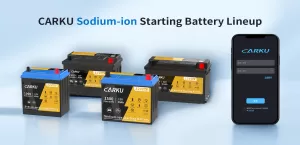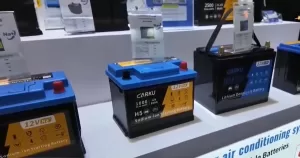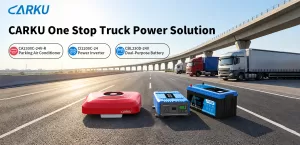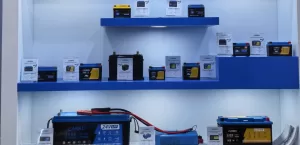

While traditional lead-acid batteries remain common, sodium-ion(Na+) technology is emerging as a compelling alternative—promising superior low-temperature performance, extended cycle life, and significant weight reduction. But does the technology make financial sense?
This detailed comparison breaks down the TCO across purchase price, replacement frequency, fuel efficiency, maintenance, and thermal reliability to help you determine when upgrading to a sodium-ion starting battery is the right commercial decision.
What changed in the battery cost comparison?
Battery cost comparisons are no longer limited to shelf prices, as modern vehicles place higher demands on 12V systems. While lead-acid batteries remain a familiar option with lower upfront costs, sodium-ion batteries are increasingly promoted as viable alternatives due to their superior low-temperature performance, high-rate discharge capability, long cycle life, and high-temperature storage stability in harsh conditions. This makes Total Cost of Ownership (TCO) a far more valuable metric for evaluation.
The True Cost of a Car Starting Battery
Purchase price is only a fraction of the real cost. If a low-cost lead-acid battery requires frequent replacements, demands ongoing maintenance attention, loses reliability in extreme weather, or causes unexpected downtime for an operating vehicle, the total repair and maintenance expenses can quickly become very high.
For compatible vehicles, sodium-ion starting batteries are increasingly emerging as a viable alternative to lead-acid starter batteries. While they are not automatically the best choice for every vehicle, they deserve serious consideration in scenarios that involve frequent replacements, harsh winter starts, fleet uptime requirements, or weight optimization.
Four Key Factors Affecting the TCO of Sodium-Ion Starting Batteries
- Purchase & Replacement Costs:Lead-acid battery usually wins on initial price. Sodium-ion starting batteries may justify a higher purchase price if it reduces replacement frequency over the ownership period.
- Weight Reduction:A lighter battery can be easier to install and handle, especially across fleet maintenance operations. Any vehicle-efficiency benefit should be treated as case-specific unless measured.
- Maintenance & Temperature Performance:Lead-acid batteries are proven but can struggle with aging, deep discharge, and severe cold. IEA reporting says newer sodium-ion batteries can retain about 90% nominal capacity at temperatures as low as -40°C, though buyers should verify the exact product rating.
- Battery Life & Smart BMS:Many sodium-ion starter products include a battery management system for overcharge, over-discharge, short-circuit, and temperature protection. A BMS can protect the pack, but compatibility with the vehicle charging system remains essential.
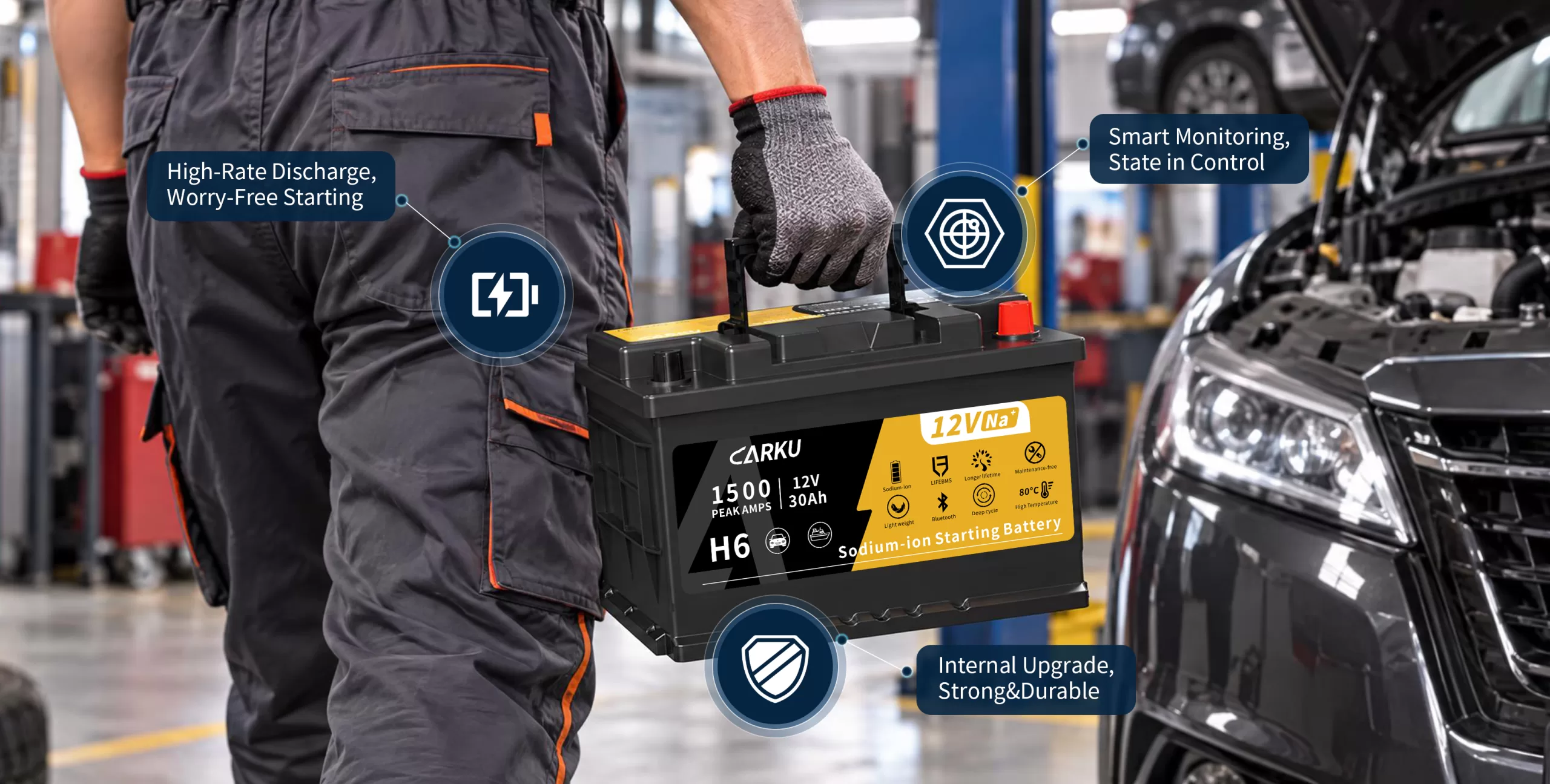
Lightweight sodium-ion starting battery
CARKU Auto Sodium-Ion Starting Battery: TCO Comparison
When evaluating TCO for private cars or commercial fleets over a 3–5 year model (covering purchase, installation, replacements, and maintenance), initial price is only part of the equation.
Scenario Analysis: If a traditional lead-acid battery incurs recurring replacement and service costs over 5 years, a high-durability sodium-ion starting battery that requires zero mid-term replacements can offset a higher upfront price. For a fleet of 50 vehicles, eliminating even a single secondary replacement per vehicle translates into thousands of dollars in direct savings—plus major reductions in cold-weather jump-start downtime and roadside assistance costs. (Note: Actual CARKU sodium-ion battery pricing is subject to official sales quotes).
FAQs
1.Can car battery sodium-ion technology reliably start the target vehicle?
It can if the battery’s voltage, CCA, capacity, terminals, and BMS limits match the vehicle’s starter and charging requirements.
2.Will Na+ technology work in below 0℃ climate?
Many sodium-ion chemistries are promoted for cold-weather performance, but buyers should check the certified low-temperature cranking rating for the specific model.
3.Will customers need fewer replacements after using?
Potentially, yes, if the sodium-ion battery has a longer rated service life and is used within its operating limits.
4.Can it replace the existing battery easily?
Only when it is designed as a drop-in replacement for that battery group size and vehicle system.
Is Sodium-Ion Starting Battery Worth the Investment?
Sodium-ion(Na+) starting battery makes economic sense when the higher upfront cost is offset by fewer replacements, lower maintenance exposure, better cold-start reliability, easier handling, and BMS protection. Private drivers should calculate their likely replacement cycle first. Fleets should also price downtime, labor, and repeat service visits, because that is where the TCO advantage can become much clearer.