
 EN
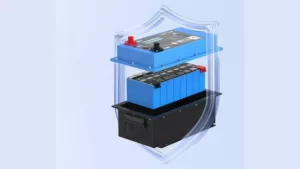
EN Sodium-ion batteries have emerged as a leading breakthrough in the start-stop market. Their development addresses the challenges of limited raw material resources while offering high recyclability and an abundant material supply. Leveraging these advantages, CARKU has focused on sodium-ion start-stop products as a key area for exploring and applying new battery materials. This approach not only enhances the environmental sustainability of its products but also provides reliable power solutions across multiple applications, including passenger vehicles, trucks, motorcycles, and generators.
What is sodium-ion?
Sodium-ion batteries are a new generation of rechargeable batteries that use sodium ions as the charge carrier, instead of lithium or lead-based chemistry. In automotive applications, sodium-ion batteries are increasingly recognized as a practical alternative to traditional lead-acid batteries for passenger cars, trucks, and motorcycles, especially in 12V starting and auxiliary power systems.
As mentioned earlier, sodium-ion technology offers higher usable energy density than lead-acid batteries, while maintaining a similar cost structure and simpler material supply. This makes sodium-ion batteries particularly suitable for vehicle platforms that demand reliable starting performance, stable power delivery, and consistent operation in real-world driving environments, including cold climates and high-load conditions.
How does the sodium-ion battery affect power?
The power performance of a vehicle battery directly determines its ability to start the engine and support onboard electrical systems. Compared with conventional lead-acid batteries, sodium-ion batteries provide stronger discharge capability and more stable voltage output, especially during high-current engine starts.
As discussed above, sodium-ion batteries retain a higher percentage of their capacity in low-temperature and extreme weather conditions, where lead-acid batteries often experience significant power loss. This results in improved cold-cranking performance, faster engine starts, and more reliable power supply for passenger cars, commercial trucks, and motorcycles operating in winter or harsh environments.
Which are the advantages of latest sodium-ion battery?
Building on the characteristics mentioned earlier, the latest sodium-ion batteries deliver several key advantages over traditional lead-acid solutions. These include a wider operating temperature range, improved safety and thermal stability, and better resistance to over-discharge and frequent start-stop cycles.
In addition, sodium-ion batteries offer longer service life and more consistent performance over time, reducing maintenance requirements for vehicle owners. By addressing common lead-acid weaknesses—such as cold-start failure, rapid aging, and unstable output—the latest sodium-ion battery technology provides a reliable, durable, and cost-effective power solution for modern passenger cars, trucks, and motorcycles.
Frequently Asked Questions
1.Why sodium–ion battery better for you?
Designed with recyclability at their core, sodium-ion batteries support a circular economy by minimizing waste at the end of their life cycle. They are also perfectly suited for renewable energy systems, offering stable and reliable energy storage for solar and wind power, even when energy input fluctuates.
2.Are sodium ion battery better than lithium-ion batteries?
Sodium-ion batteries are better for you because they are more sustainable, more responsible, and built for long-term use. Unlike lithium-ion batteries, they rely on abundant sodium instead of rare or critical metals, greatly reducing environmental impact from material sourcing and manufacturing.
3.Were sodium-ion batteries developed to solve the limitations of lithium iron batteries?
Sodium-ion batteries take a different approach. Rather than competing directly on maintenance claims, they focus on sustainability at the material and system level. By using abundant sodium instead of rare or critical materials, and by being designed for recyclability and renewable energy integration, sodium-ion batteries reduce environmental impact across the entire lifecycle—from sourcing to end-of-life.