
Winter motorcycle battery dead after storage? Learn why batteries fail in cold weather, how to charge them safely, and when it’s time to replace your motorcycle battery for reliable winter starts.
Why Is My Motorcycle Battery Dead After Winter?
Winter motorcycle battery failure is not caused by cold weather alone. In most cases, it results from long storage periods, natural self-discharge, and a lack of proper charging maintenance. When a motorcycle is left unused for weeks or months, the battery gradually loses voltage and may no longer have enough power to start the engine.
Even modern batteries with lower self-discharge rates will eventually discharge if they are not periodically charged or maintained during storage.
If your motorcycle struggles to start after winter, cranks slowly, or requires repeated jump-starts, the battery is likely in a deeply discharged state.
At this stage, there are two possible solutions: recharging the battery or replacing it depending on its condition.
How to Charge a Motorcycle Battery Safely?
If the battery is not completely damaged, recharging may restore its performance.
Before charging, it is important to understand that different battery types require different charging methods.
Motorcycle batteries commonly include:
- AGM batteries
- Lithium (LiFePO4) batteries
- Sodium-ion batteries
- Traditional lead-acid batteries
Each type has different voltage requirements and charging profiles.
Basic charging steps:
- Remove the battery from the motorcycle if necessary
- Check the battery voltage condition
- Use a compatible smart charger designed for your battery type
- Apply controlled charging instead of continuous trickle charging
- Monitor temperature and charging stability
- Fully charge before reinstalling
Modern lithium and sodium-ion batteries rely on a Battery Management System (BMS), which protects the battery from overcharging and ensures stable charging behavior.
Using an incorrect charger may still charge the battery, but it can reduce lifespan and long-term performance.
5 Common Reasons Motorcycle Batteries Fail After Winter
Battery failure after winter is usually caused by a combination of factors:
- Long-term storage without charging
- Deep discharge during inactivity
- Incompatible or missed maintenance charging
- Extreme temperature fluctuations
- Aging battery cells reaching end of life
In many cases, the issue is not permanent damage but insufficient maintenance during storage.
When Should You Replace a Motorcycle Battery?
If recharging does not restore stable performance, replacement is often required.
You should consider replacing your battery if:
- The motorcycle cannot start after a full charge
- The battery loses charge quickly during storage
- You need frequent jump-starts
- The battery is more than 3–5 years old
- Voltage drops significantly after short idle periods
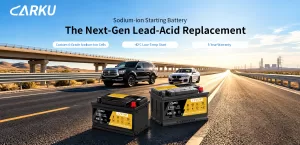
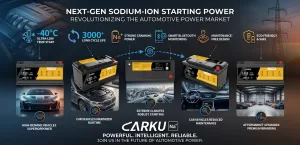
For improved reliability, many riders upgrade to lithium, or sodium-ion batteries, which offer better stability, longer cycle life, and lighter weight compared to traditional lead-acid batteries.
Best Motorcycle Battery Types for Cold and Wet Conditions
Different riding environments require different battery choices:
- Daily commuting motorcycles:LiFePO4 or sodium-ion batteries are ideal for stable starting performance, fast response, and reduced weight, making them especially suitable for frequent stop-and-go urban riding where reliability and efficiency matter most.
- Seasonal or stored motorcycles:low self-discharge lithium or sodium-ion batteries
- Rainy or humid climates:sealed batteries with strong corrosion resistance, as well as waterproof-capable sodium-ion batteries that offer enhanced environmental resilience and stable performance in wet or high-humidity conditions.
- High vibration or off-road use:lightweight lithium or sodium-ion batteries
Sodium-ion batteries are a strong emerging option for commuters who prioritize low-temperature stability, long storage capability, and consistent performance in seasonal or irregular usage patterns.
Frequently Asked Questions
1.My motorcycle won’t start after winter. What should I do?
First check the battery voltage. If it is low, try charging it with a compatible smart charger. If the battery cannot hold a charge or the motorcycle still requires jump-starts, replacement is usually the most reliable solution.
2.How long does a motorcycle battery last?
Battery lifespan depends on usage, storage conditions, and charging habits. Lithium and sodium-ion batteries generally last longer than traditional lead-acid batteries when properly maintained.
3.Do lithium motorcycle batteries need a special charger?
Yes. Lithium batteries require a compatible smart charger with the correct voltage profile. Using the wrong charger may damage battery performance even if charging appears normal.